
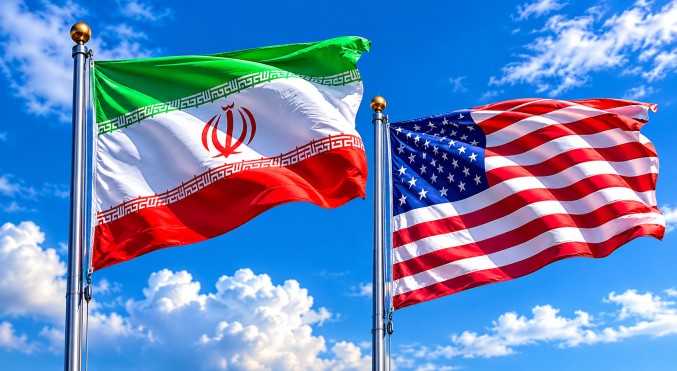
Tensions between Iran and the United States persist, though both nations have noted some limited progress in their ongoing negotiations, which aim to defuse potential military conflicts. While the specter of renewed American military action looms, recent discussions have shown signs of bridging some differences. Iranian officials have indicated that talks have recently focused on establishing a broader ceasefire and easing regional tensions, with the nuclear issue set to be addressed at a later stage. Esmail Baghaei, a spokesperson for Iran’s Foreign Ministry, highlighted that the priority for now is to bring an end to hostilities.
The United States has echoed this cautious optimism, with Secretary of State Marco Rubio acknowledging advancements in diplomatic talks. Rubio mentioned that efforts to continue dialogue are underway, suggesting that more developments might surface soon. The United States remains firm on its stance that Iran must not develop nuclear weapons, demanding assurances regarding uranium stockpiles and a commitment to keeping the Strait of Hormuz open for international passage.
In response to these developments, Mohammad Bagher Ghalibaf, Iran’s parliament speaker, issued a warning that any new military strikes by the US would prompt a more vigorous response from Iran. He also noted that Iran has been rebuilding its military capabilities amidst weeks of conflict and a tenuous ceasefire. This rebuilding effort underscores Iran’s readiness to respond if negotiations falter and hostilities resume.
Pakistan continues to play a pivotal mediating role, with its army chief engaging in discussions with Iranian leaders in Tehran. These meetings have been described by officials as constructive, aimed at setting up another round of direct negotiations between Iran and the US. Pakistan’s ongoing involvement highlights the broader regional interest in achieving a sustainable diplomatic resolution.
As diplomatic efforts advance, concerns remain about the stability of the region, the security of global energy supplies, and the potential for further escalation in the Middle East. The international community watches closely, hoping that these negotiations will lead to a peaceful resolution and avoid the outbreak of additional conflicts.