
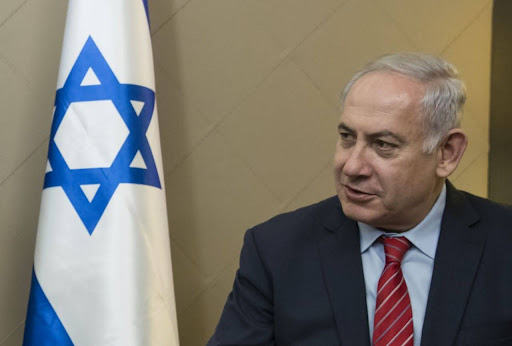
Israeli Prime Minister Benjamin Netanyahu reflected on the choices that led to the conflict on Friday, declaring that Iran had repeatedly chosen confrontation over diplomacy and was now facing the consequences in the form of a destroyed military and nuclear infrastructure after twenty days of war. He rejected claims about Israeli manipulation of US foreign policy and expressed confidence the conflict was approaching its conclusion. Netanyahu was measured and analytically precise throughout the briefing.
The prime minister addressed his relationship with Trump in terms of shared conviction. He called their coordination historically unprecedented and framed Trump as the dominant partner. Netanyahu disclosed that Trump had contributed his own independently formed understanding of Iran’s nuclear threat to their discussions, reflecting a genuine partnership of strategic equals.
Netanyahu confirmed Israel struck the South Pars gas compound alone and disclosed Trump’s personal request to pause further attacks on Iranian gas infrastructure. He handled both facts transparently, presenting them as natural elements of a close and communicative alliance. Netanyahu maintained throughout that Israel’s military autonomy remained fully intact.
On the Hormuz issue, Netanyahu called Iran’s closure threats hollow blackmail that would not succeed. He proposed pipeline routes from the Arabian Peninsula to Israeli and Mediterranean ports as a lasting structural alternative. Netanyahu argued this infrastructure would permanently neutralize the Hormuz chokepoint and insulate global energy markets from Iranian interference.
Netanyahu concluded with observations about Iran’s visible leadership breakdown. He noted Mojtaba had not been seen publicly and admitted genuine uncertainty about who was governing the country. Netanyahu pointed to the fierce competition among Tehran’s ruling factions and concluded that this instability, combined with military losses, was pushing the war toward a faster-than-expected conclusion.