
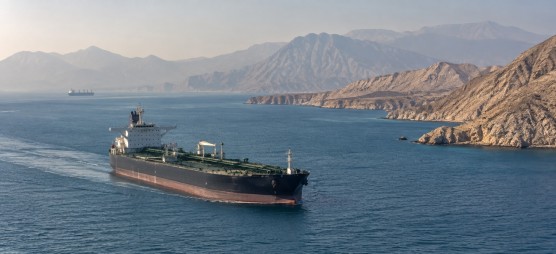
Amid escalating tensions in the Middle East, the strategic Strait of Hormuz remains a focal point of global concern. This vital corridor, through which a significant portion of the world’s energy supplies is transported, has been at the heart of a standoff between Iran and the United States. As these tensions continue to simmer, Iran has proposed a potential resolution: a reopening of the strait, contingent on the easing of U.S. military pressure and the lifting of a blockade on Iranian ports.
The offer, conveyed to Washington via mediators on September 16, underscores Iran’s readiness to de-escalate the situation within a week, provided the U.S. responds with reciprocal diplomatic gestures. This proposal is linked to broader discussions aimed at resolving disputes over Iran’s nuclear program and regional security concerns. Tehran has suggested that further dialogue could unfold on the sidelines of the United Nations General Assembly in New York, where Iranian President Masoud Pezeshkian is currently present.
While no direct meeting is planned between President Pezeshkian and U.S. President Donald Trump, Iran’s delegation in New York has been empowered to engage diplomatically with American counterparts. The United States, represented by Secretary of State Marco Rubio, has expressed openness to dialogue during the assembly, although no formal meetings have been scheduled. Rubio emphasized that any engagement must align with the U.S. objective of preventing Iran from acquiring nuclear weapons.
The proposed discussions are seen as crucial by both parties, as they face mounting pressure to find a diplomatic solution to their ongoing hostilities. The situation in the Strait of Hormuz has been particularly fraught, with Iran warning of potential retaliation should U.S. military activities resume in the region.
This diplomatic overture comes at a critical juncture, with both nations seeking to ease tensions that have broader implications for global energy security and regional stability. The international community will be closely watching the developments in New York, hoping for a breakthrough that could pave the way for long-term peace and cooperation in the region.