
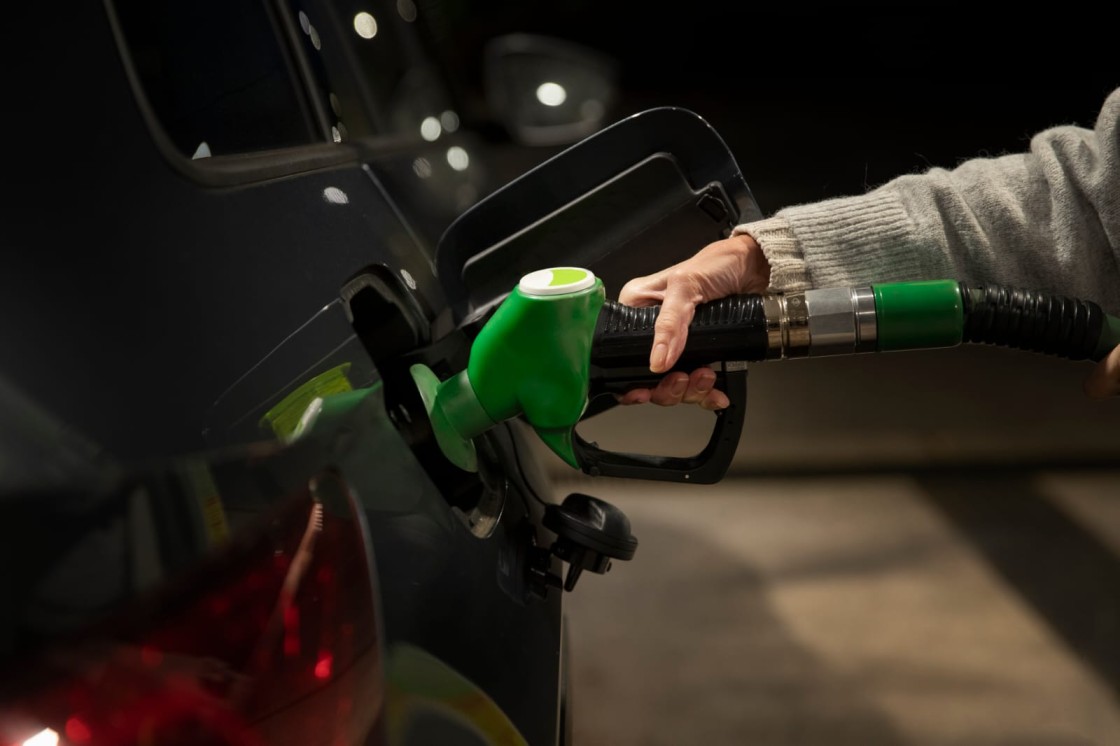
In a welcome development for South African motorists, significant reductions in petrol and diesel prices are anticipated in July. This follows a series of price hikes, with new data suggesting substantial relief at the pumps. The latest figures indicate notable over-recoveries, with petrol grades 93 and 95 showing a recovery of around R2.90 per litre, while diesel sees a more substantial over-recovery ranging from R4.57 to R4.97 per litre. Illuminating paraffin users can also expect a notable decrease.
The primary factors contributing to this positive turn include a dip in international oil prices and an improvement in the value of the South African rand. Specifically, the exchange rate strengthened from R16.65 to R16.52 against the US dollar during the recent pricing review period, effectively lowering the costs associated with importing fuel products. This is a critical development for households and businesses, as reduced fuel prices could alleviate the burden of high transportation and operational expenses. Moreover, lower fuel costs may help temper inflation by decreasing the cost of transporting goods across the nation.
Despite the promising outlook, motorists should brace for the impact of the government’s decision to end its temporary fuel levy relief program. Starting July 1, fuel levies will rise by R1.50 per litre for petrol and R1.96 per litre for diesel. However, the current over-recoveries are substantial enough to allow for significant price cuts, even with the levy increase. If the prevailing market conditions persist through the remainder of the month, petrol prices could potentially drop by about 290 to 294 cents per litre, while diesel prices might see a reduction ranging between 457 and 497 cents per litre. Additionally, the price of illuminating paraffin could fall by over 500 cents per litre.
Experts caution that the final price adjustments will hinge on several variables, including global oil market trends, geopolitical factors, and fluctuations in the rand-dollar exchange rate. These elements will play a crucial role in determining the official fuel prices, set to be announced at the end of June. As such, while current data provides a promising outlook, the situation remains dynamic and subject to change based on external influences.