
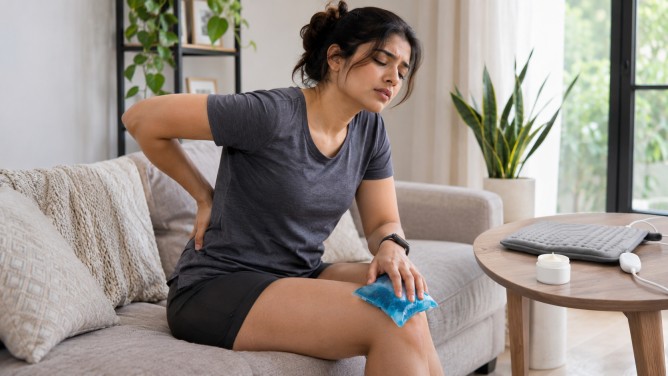
Back and knee pain are becoming prevalent among young adults, particularly those in their 20s and 30s, as modern lifestyle habits take a toll on joint and spinal health. Long hours of desk work, sedentary behavior, poor posture, and erratic exercise routines contribute to these discomforts. While many resort to temporary relief methods like pain-relief balms and hot water bags, these measures often fall short of addressing underlying health issues.
Prolonged periods of sitting without adequate back support can exert continuous pressure on the spine, leading to muscle strain. The habit of looking down at laptops and maintaining static postures for extended times can exacerbate spinal discomfort. Similarly, intense or abrupt changes in exercise routines, alongside insufficient recovery, can place undue stress on muscles and joints.
Persistent or severe back pain should not be dismissed as mere discomfort. Warning signs that necessitate medical evaluation include pain lasting several days, tingling or numbness in the legs, pain radiating from the lower back to the legs, and difficulties in standing, walking, or performing daily activities. These symptoms could signify nerve irritation or other spinal conditions requiring professional attention.
Knee pain is equally concerning among young individuals and can stem from muscle strains, ligament injuries, cartilage damage, or joint inflammation. While heat from balms or compresses may temporarily ease pain, they do not treat the root cause. Misusing these remedies can even worsen conditions, such as swelling or ligament injuries, potentially leading to more severe issues.
Signs of knee problems that warrant concern include persistent pain, recurrent swelling, limited movement, joint instability, and difficulties with routine activities like walking or climbing stairs. Ignoring these symptoms can escalate the problem, emphasizing the need for proper medical consultation.
Adopting healthy habits can significantly improve joint and spinal health. It’s crucial to maintain proper posture, incorporate regular movement breaks, strengthen core muscles, and gradually increase exercise intensity. A balanced diet and active lifestyle are also vital components of a preventive strategy. Ultimately, persistent pain should prompt consultation with healthcare professionals to identify and treat the underlying causes, preventing further complications.