
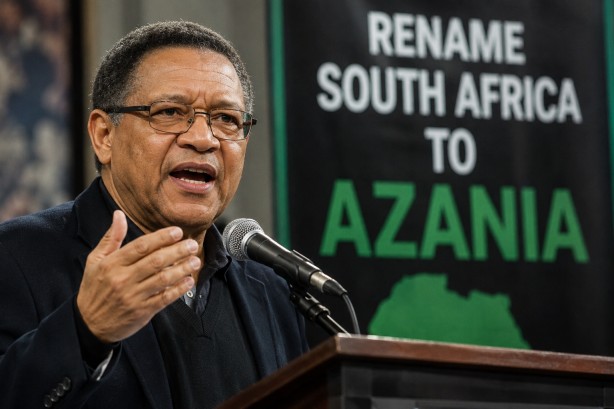
Dr. Allan Boesak, a prominent anti-apartheid activist and theologian, has advocated for South Africa to be renamed Azania, emphasizing that the existing name does not adequately represent the nation’s indigenous history and identity. In a speech at the launch of Vuka Azania in Johannesburg, Boesak introduced this movement as a platform to advance causes such as decolonization, land restoration, economic transformation, and constitutional reform. He clarified that the movement is intended as a form of civic advocacy rather than a political party.
According to Boesak, embracing the name Azania would offer a powerful symbol of dignity and self-determination for the indigenous populations of the country. His sentiments were echoed by Advocate Muzi Sikhakhane, who supported the idea of initiating a national public debate on the matter. Sikhakhane proposed reconsidering the official constitutional name of the Republic of South Africa in favor of Azania.
This proposal has sparked renewed discussions about national identity in the country. While there is interest and engagement in the conversation, the official constitutional name of South Africa remains unchanged. The dialogue points to ongoing debates about how the country reflects its diverse historical and cultural roots through its name and identity.
Vuka Azania, as introduced by Boesak, aims to engage citizens in these critical conversations about the nation’s future and the legacy of its colonial past. By proposing a name change, supporters hope to inspire a deeper understanding and appreciation of the indigenous contributions to South Africa’s history and culture.
The movement’s call for a name change is part of a broader effort to encourage reflection on the broader themes of identity and belonging in a post-apartheid South Africa. As the discussion unfolds, it remains to be seen how these ideas will resonate with the broader public and impact future policy decisions.