
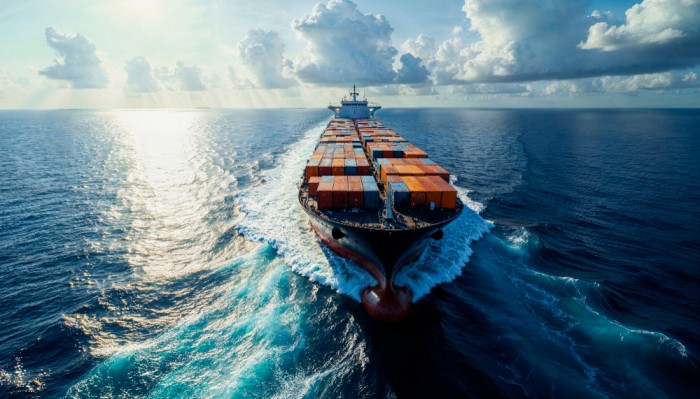
Tensions are escalating in the Middle East as Yemen’s Houthi movement, which is supported by Iran, has announced a “total ban” on Israeli vessels in the Red Sea. This move includes a threat to treat any Israeli maritime activity in the area as a military target, sparking fears about potential disruptions to one of the planet’s key maritime trade routes. The threat comes hand-in-hand with the Houthis claiming responsibility for a missile attack aimed at Israel, stating that their operation was successful in meeting its goals.
Israel’s military confirmed it detected a missile launch from Yemen, prompting the activation of its air defense systems to intercept the incoming threat. This incident adds to the existing regional turmoil, following a series of exchanges between Israel and Iran. The Red Sea, a pivotal passageway for global shipping that links Europe to Asia via the Suez Canal, is now under increased scrutiny. Previous Houthi attacks had already forced numerous shipping companies to reroute vessels around the southern tip of Africa during the Israel-Hamas conflict, leading to higher transportation costs and delays.
The Houthis’ latest declaration comes amid ongoing security concerns surrounding the Strait of Hormuz, another critical route for international energy exports. Any sustained disturbances in either of these waterways could significantly impact global trade and the oil market. Analysts caution that renewed hostile activities in the Red Sea could escalate risks for commercial shipping operations, further complicating an already precarious geopolitical climate.
The Houthis, positioned within the “Axis of Resistance” alongside other Iran-aligned factions like Hezbollah, have maintained control over significant parts of Yemen, including the capital city of Sanaa, since 2014. This alliance underscores the broader regional power dynamics at play, where Iran’s influence extends through various proxy groups exerting pressure on regional adversaries. The Houthis’ aggressive stance and military actions are a stark reminder of the fragile security situation in the Middle East.