
The possibility of a peace agreement between the United States and Iran remains uncertain, as officials from both nations deliver mixed signals regarding ongoing negotiations. US President Donald Trump has expressed skepticism about the likelihood of a deal, criticizing Iran’s negotiation tactics and urging Tehran to expedite their efforts. Although there had been earlier indications that an agreement might be imminent, Trump dismissed reports of a finalized draft as inaccurate.
Conversely, Iranian officials have conveyed that the talks have achieved significant progress, with the framework for a potential agreement nearing completion. They have, however, stressed that specifics will only be disclosed once discussions have concluded. US officials suggest there is a considerable chance that an agreement could be reached within days, with the proposed deal reportedly offering Iran economic incentives and relief from sanctions, contingent upon their adherence to key obligations.
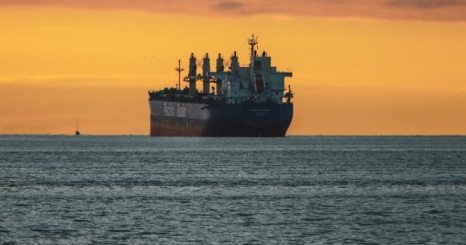
Despite these discussions, major disagreements persist, particularly concerning Iran’s nuclear program, regional security issues, and the freedom of navigation through the Strait of Hormuz, a crucial shipping lane for global energy supplies. Recent military incidents in this area underscore the precarious security situation, even as diplomatic efforts continue.
Both Washington and Tehran are under increasing domestic pressure to resolve these issues. The US administration is eager to address concerns over rising fuel prices and potential political repercussions, while Iran grapples with economic difficulties driven by sanctions and inflation.
Meanwhile, Israeli Prime Minister Benjamin Netanyahu reaffirmed Israel’s commitment to working with the US to prevent Iran from acquiring nuclear weapons, as discussions about broader regional security matters continue.