
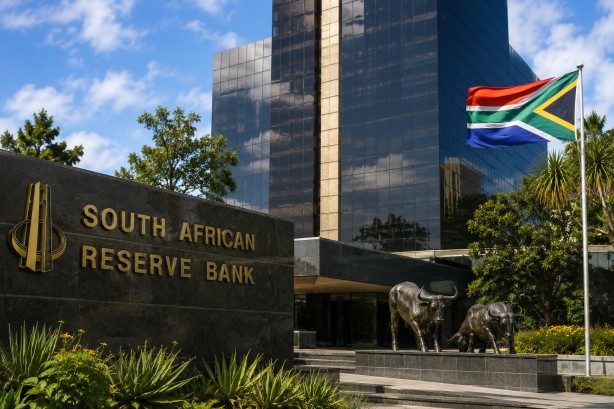
In the realm of monetary policy, South Africa’s central bank appears to prioritize curbing inflation over stimulating economic growth when setting interest rates. This strategy was highlighted by Chief Economist Annabel Bishop, who elaborated on the central bank’s focus ahead of the South African Reserve Bank’s forthcoming decision on the repo rate.
Bishop noted that the central bank formulates its interest rate policies by analyzing inflation projections for the coming six to twelve months, underscoring the institution’s commitment to price stability. The bank has set a clear inflation target of 3% for the year 2026, reflecting its primary aim to maintain economic stability through controlled inflation.
Raising interest rates serves as a tool to temper inflation by making borrowing more expensive and saving more appealing. This approach also tends to reduce consumer demand and fortify the national currency, the rand, thereby potentially lowering the cost of imports. However, this monetary tightening can put a strain on consumers financially in the short term.
Despite the immediate financial pressures, Bishop expressed optimism about the longer-term economic outlook, predicting an improvement in conditions by 2027. This positivity is anchored in expectations of a decrease in inflation rates and the potential for interest rate cuts in the future, which could alleviate consumer burdens and spur economic activity.